
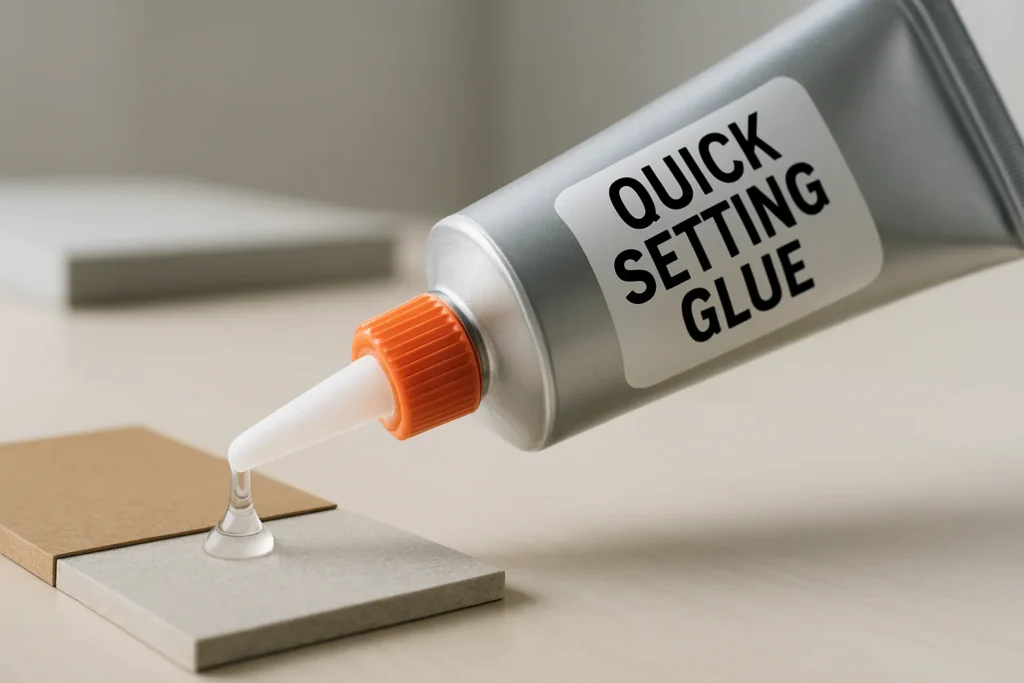
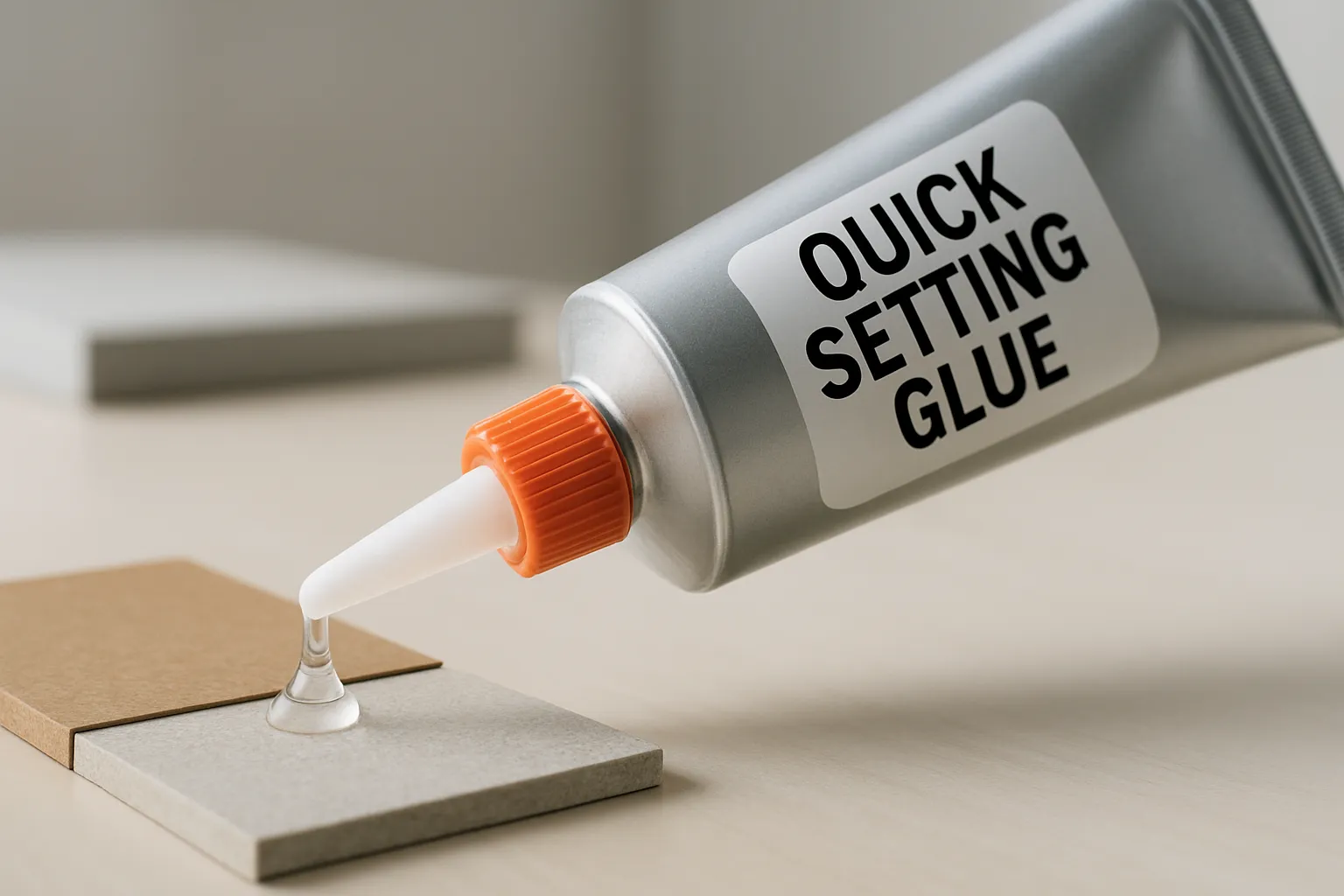
Introduction to Quick Setting Glue
Quick setting glue, often referred to as fast-curing adhesive, is a specialized industrial adhesive designed to bond materials swiftly. This innovative solution plays a crucial role in industries that function in fast-paced environments, where time is critical. Quick setting glue not only boosts productivity but also ensures projects progress without unnecessary delays. As businesses strive to enhance efficiency and minimize lead times, it becomes increasingly vital to understand the benefits and applications of quick setting glue.
Specifications of Quick Setting Glue
Types of Industrial Adhesives
Quick setting glue is available in various formulations, such as cyanoacrylate, epoxy, and polyurethane. Each type serves specific applications across different sectors. For instance, cyanoacrylate is renowned for its instant bonding capabilities, making it perfect for quick repairs. Conversely, epoxy adhesives offer superior strength and durability, making them suitable for heavy-duty applications. Polyurethane adhesives provide flexibility and resistance to environmental factors, making them adaptable for various materials.
Key Properties and Performance Metrics
The effectiveness of quick setting glue hinges on several key properties, including curing time, bond strength, and temperature resistance. Curing time can vary from seconds to a few minutes, depending on the specific formulation. Bond strength is vital, as it determines how well the adhesive can hold two surfaces together under stress. Additionally, temperature resistance ensures that the adhesive maintains its integrity under varying environmental conditions, which is essential for industrial applications.
Use Cases for Quick Setting Glue
Manufacturing Applications
In manufacturing, quick setting glue is commonly used for assembly processes, where components need to be bonded quickly to adhere to production schedules. I’ve seen it play a crucial role in the electronics sector for securing small parts and in the furniture industry for assembling pieces without extensive clamping time.
Construction and Assembly
In construction, quick setting glue is employed for bonding fixtures, fittings, and materials that require immediate adhesion. This is especially advantageous in projects with tight timelines, such as prefabricated building components. The ability to quickly secure elements allows for faster project completion, which is something I’ve witnessed repeatedly in various projects.
Automotive and Aerospace Industries
The automotive and aerospace sectors depend heavily on quick setting glue for its capacity to bond materials like metal, plastic, and composites. In these industries, the demand for lightweight, strong, and durable bonds is critical. Quick setting adhesives facilitate repairs and manufacturing processes, ensuring that safety and performance standards are consistently met.
Comparison with Other Adhesives
Quick Setting Glue vs. Traditional Adhesives
When we compare quick setting glue to traditional adhesives, the most significant difference is the curing time. Traditional adhesives typically require longer drying times, which can lead to production delays. In my experience, quick setting glue provides immediate bonding, allowing for quicker assembly and reduced idle time, which is invaluable in a competitive market.
Advantages of Quick Setting Glue
The primary benefits of quick setting glue include speed, ease of use, and versatility. Its rapid curing time means that operations can continue without interruption. Moreover, these adhesives often need minimal surface preparation, making them user-friendly for various applications. I believe that these attributes are what make quick setting glue a preferred choice in many industries.
Limitations and Considerations
Despite its many advantages, quick setting glue does have limitations. It may not be suitable for all materials or applications, particularly those requiring flexibility or exposure to harsh environmental conditions. Furthermore, the rapid curing time can be a double-edged sword; once applied, adjustments may not be possible, something to keep in mind during application.
Sourcing Quick Setting Glue
Top Manufacturers and Brands
When sourcing quick setting glue, it’s crucial to consider reputable manufacturers known for quality and reliability. Brands like Loctite, 3M, and Gorilla Glue provide a range of quick setting adhesives tailored for different industrial needs. Researching and selecting the right brand can significantly impact the effectiveness of the adhesive in specific applications. For a comprehensive selection of products, visit Products – Yiwu Weihao Chemical Co., Ltd. | Weihao Adhesive.
Factors to Consider When Sourcing
Key factors to consider when sourcing quick setting glue include the adhesive’s compatibility with the materials being bonded, the required bond strength, and the environmental conditions. Additionally, evaluating the manufacturer’s technical support and product specifications can greatly enhance the sourcing process.
Cost Analysis
The cost of quick setting glue can vary significantly based on its formulation and intended use. While it may be pricier than traditional adhesives, the time savings and increased productivity can justify the initial investment. Conducting a thorough cost analysis will help businesses determine the most cost-effective solutions for their specific needs.
Implementation Strategies
Best Practices for Application
To maximize the effectiveness of quick setting glue, it’s essential to follow best practices during application. This includes ensuring surfaces are clean and dry, applying the adhesive evenly, and allowing sufficient time for curing to achieve optimal bond strength.
Safety and Handling Guidelines
Safety must always be a priority when working with industrial adhesives. Proper handling, including wearing gloves and goggles, can prevent skin and eye irritation. Additionally, ensuring adequate ventilation during application will minimize exposure to fumes, which is a crucial step I always emphasize.
Troubleshooting Common Issues
Common issues with quick setting glue can include improper bonding or adhesive failure. Troubleshooting these problems involves checking surface preparation, verifying the adhesive’s compatibility with materials, and ensuring that the correct amount is applied. From what I have seen, a little diligence can go a long way in avoiding these issues.
Frequently Asked Questions
What is the curing time for quick setting glue?
Curing time can vary depending on the specific formulation, but many quick setting glues cure within seconds to a few minutes.
Can quick setting glue be used on all materials?
While quick setting glue is versatile, it may not be suitable for all materials. It’s essential to check compatibility with the specific surfaces being bonded.
How to store quick setting glue properly?
Quick setting glue should be stored in a cool, dry place, away from direct sunlight, and tightly sealed to prevent it from drying out or becoming ineffective.
Conclusion
Quick setting glue serves as an essential industrial adhesive for fast-paced industries, offering rapid bonding solutions that enhance efficiency and productivity. By understanding its specifications, applications, and sourcing strategies, businesses can leverage this powerful tool to meet their operational demands. As industries continue to evolve, the role of quick setting glue in streamlining processes and ensuring quality will undoubtedly remain significant. For further technical insights, refer to this technical reference from ScienceDirect and explore additional industry references on AZoM.
Additional Resources
For more information on quick setting glue applications, check out this article on applications and learn about safety precautions when using adhesives.
Related Articles
For further reading, explore the benefits of quick setting glue and common uses of quick setting glue.