
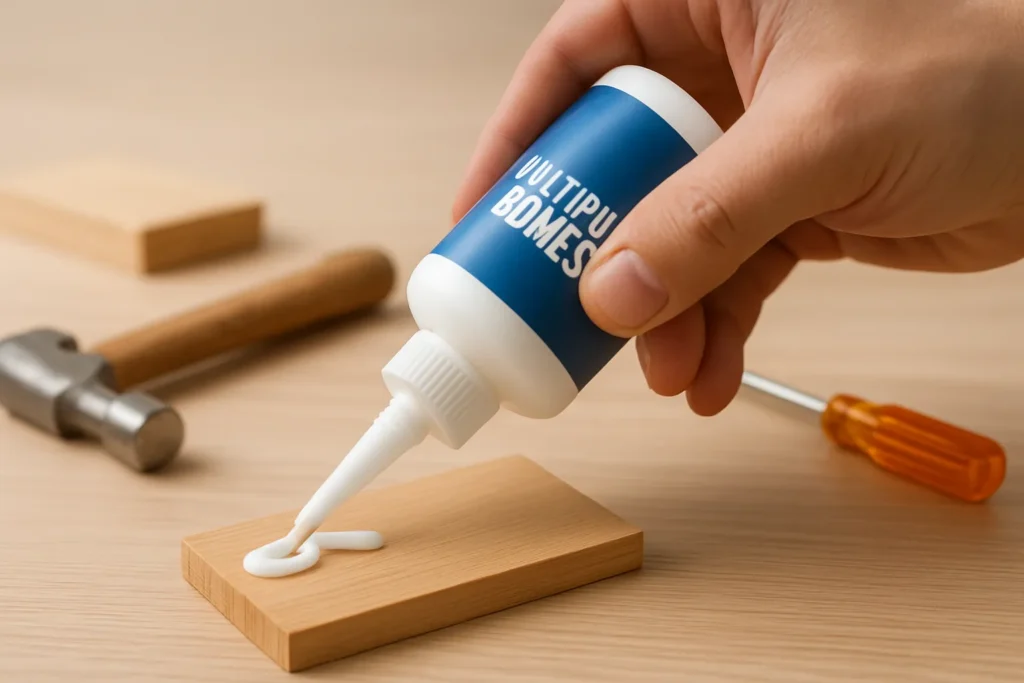
Multipurpose Adhesive: A Game Changer for DIY Projects
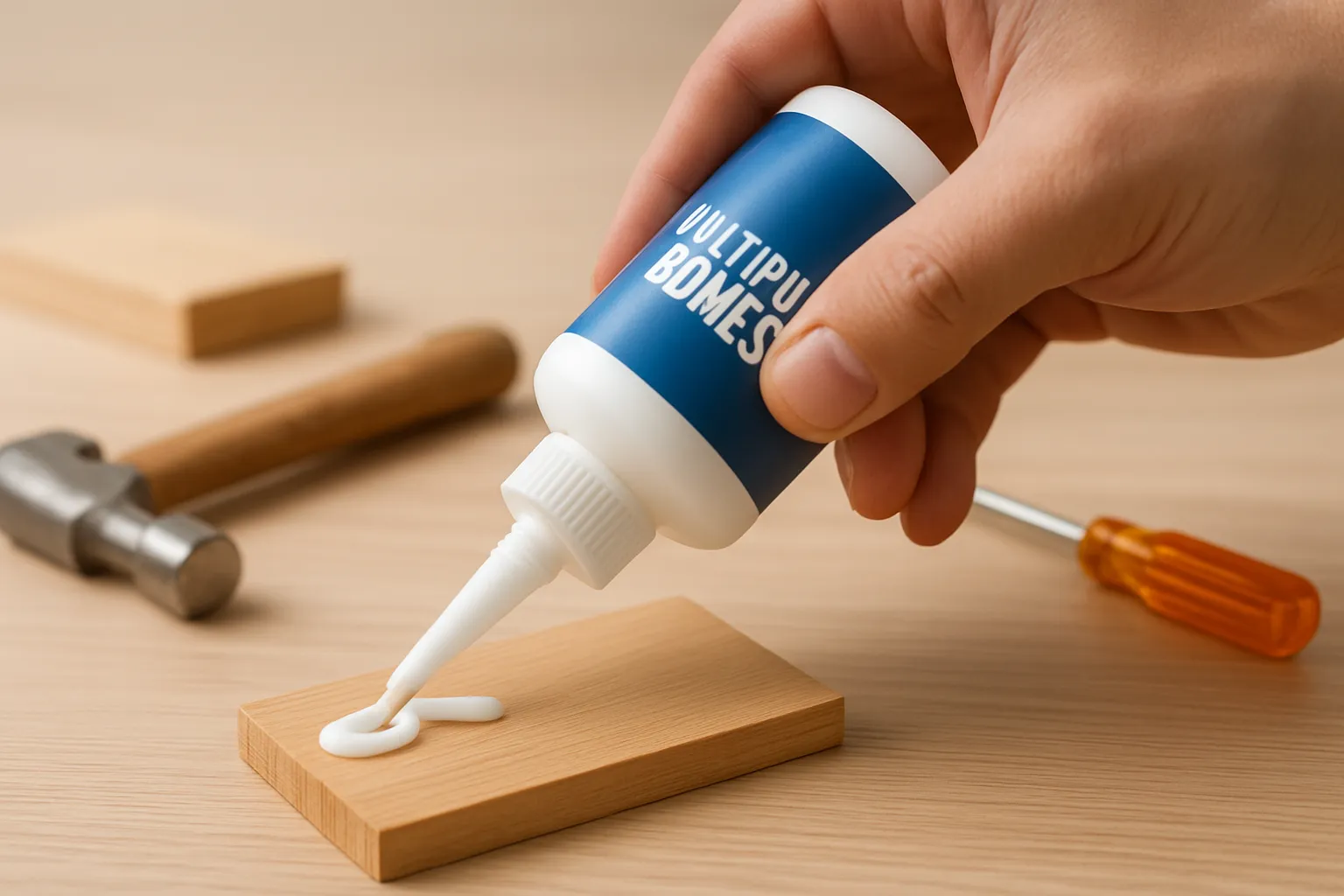
Multipurpose adhesive is a truly versatile bonding solution that has transformed the DIY repair landscape. This type of adhesive can bond various materials, including wood, metal, plastic, and ceramics. It’s an essential tool for both professional contractors and DIY enthusiasts alike.
In my experience, its significance in DIY projects cannot be overstated. It streamlines the repair process and offers reliable solutions for various applications, making it a must-have in any toolkit.
Understanding the specifications of multipurpose adhesive
Understanding the specifications of multipurpose adhesive is crucial for selecting the right product for your needs. Here are some key aspects to consider:
- Chemical Composition: Multipurpose adhesives often contain a blend of synthetic polymers, resins, and solvents that contribute to their strong bonding capabilities. Common types include polyurethane, epoxy, and cyanoacrylate, each offering unique properties suited for different applications. For more detailed information on various adhesive types, check out the Products – Yiwu Weihao Chemical Co., Ltd..
- Bonding Strength: The bonding strength of multipurpose adhesives varies significantly based on their formulation. High-quality adhesives can achieve initial bond strengths exceeding 3000 psi, making them suitable for heavy-duty applications.
- Drying Time and Curing Process: Drying times can range from a few minutes to several hours, depending on the adhesive type and environmental conditions. Curing processes may also vary; some adhesives achieve full strength quickly, while others require a longer curing time to reach optimal performance.
Common applications of multipurpose adhesives
Multipurpose adhesives are incredibly versatile, making them ideal for a wide range of DIY repair projects. Here are a few common applications:
- Household Repairs: From fixing broken ceramic dishes to mending leaky plumbing, multipurpose adhesives can tackle various household repairs. Their ease of use and strong bond make them a go-to choice for quick fixes.
- Crafting and Hobby Projects: Crafters often rely on multipurpose adhesives for projects involving paper, fabric, and other materials. Their versatility allows for creative applications, whether you’re building models or creating home décor.
- Automotive and Furniture Applications: In automotive repairs, multipurpose adhesives can bond metal parts and repair plastic components. They are also widely used in furniture assembly and repair, providing a strong and lasting bond that can withstand everyday wear and tear.
Selecting the right multipurpose adhesive
When selecting a multipurpose adhesive, it’s essential to understand the various types available in the market. Here are some insights:
- Types of Adhesives Available: Common types include hot glue, epoxy, polyurethane, and cyanoacrylate. Each type has its strengths and weaknesses, making them suitable for different applications.
- Pros and Cons of Each Type: For instance, epoxy offers excellent bonding strength and chemical resistance but may take longer to cure. Conversely, cyanoacrylate dries quickly but may not be suitable for all materials. Understanding these differences can help you choose the best adhesive for your specific project.
- Cost Analysis: The cost of multipurpose adhesives can vary significantly based on the type and brand. While some high-performance adhesives may come with a higher price tag, the long-term savings from fewer repairs can justify the investment.
Where to find multipurpose adhesives
Finding the right source for your multipurpose adhesive is vital for ensuring quality and reliability. Here’s what to keep in mind:
- Where to Buy: Multipurpose adhesives are available at hardware stores, craft shops, and online retailers. Each source may offer different brands and types, so it’s beneficial to compare options. For a reliable selection, visit Products – Yiwu Weihao Chemical Co., Ltd..
- Evaluating Suppliers: When sourcing adhesives, consider the supplier’s reputation, product range, and customer service. Reliable suppliers will provide detailed product information and support to help you make informed decisions.
- Bulk Purchase Considerations: For businesses or frequent DIYers, buying in bulk can offer significant cost savings. Ensure you check the shelf life and storage recommendations before purchasing large quantities.
Successful application of multipurpose adhesive
Successful application of multipurpose adhesive requires careful preparation and technique. Here are some tips:
- Surface Preparation: Clean and dry surfaces are essential for achieving a strong bond. Remove any dust, grease, or old adhesive residues before applying the new adhesive.
- Application Techniques: Follow the manufacturer’s instructions for application. Some adhesives may require a specific method, such as applying pressure or using a specific tool.
- Safety Precautions: Always wear appropriate safety gear, such as gloves and goggles, when working with adhesives. Additionally, ensure proper ventilation if using adhesives with strong fumes.
Common Issues and Solutions
A frequent problem is improper bonding due to inadequate surface preparation. Always ensure surfaces are clean and dry for best results.
Storage and Shelf Life
Most multipurpose adhesives have a shelf life of 1-2 years, but this can vary. Store them in a cool, dry place to extend their usability.
Compatibility with Different Materials
Not all adhesives work with every material. Always check compatibility before application to avoid bonding failures.
Multipurpose adhesive is indeed a game changer for DIY repair projects, offering unparalleled versatility and strength. By understanding its specifications, use cases, and implementation tips, you can harness the full potential of this essential tool. Whether you’re tackling household repairs, crafting, or automotive projects, having the right multipurpose adhesive on hand can make all the difference in achieving lasting results. For additional technical insights, refer to this technical reference from ScienceDirect.