
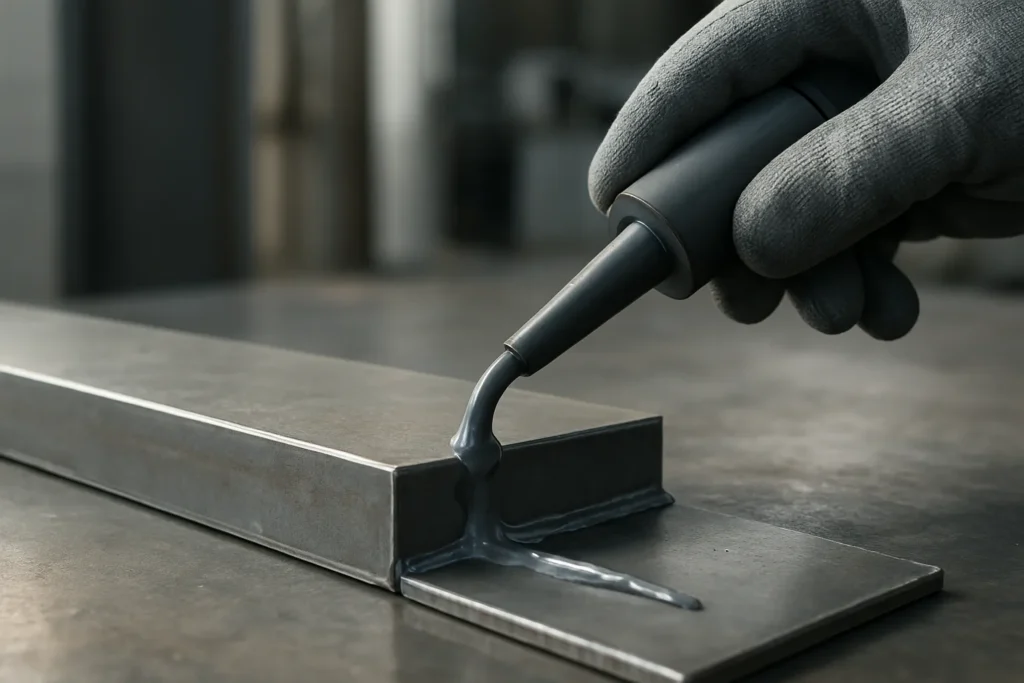
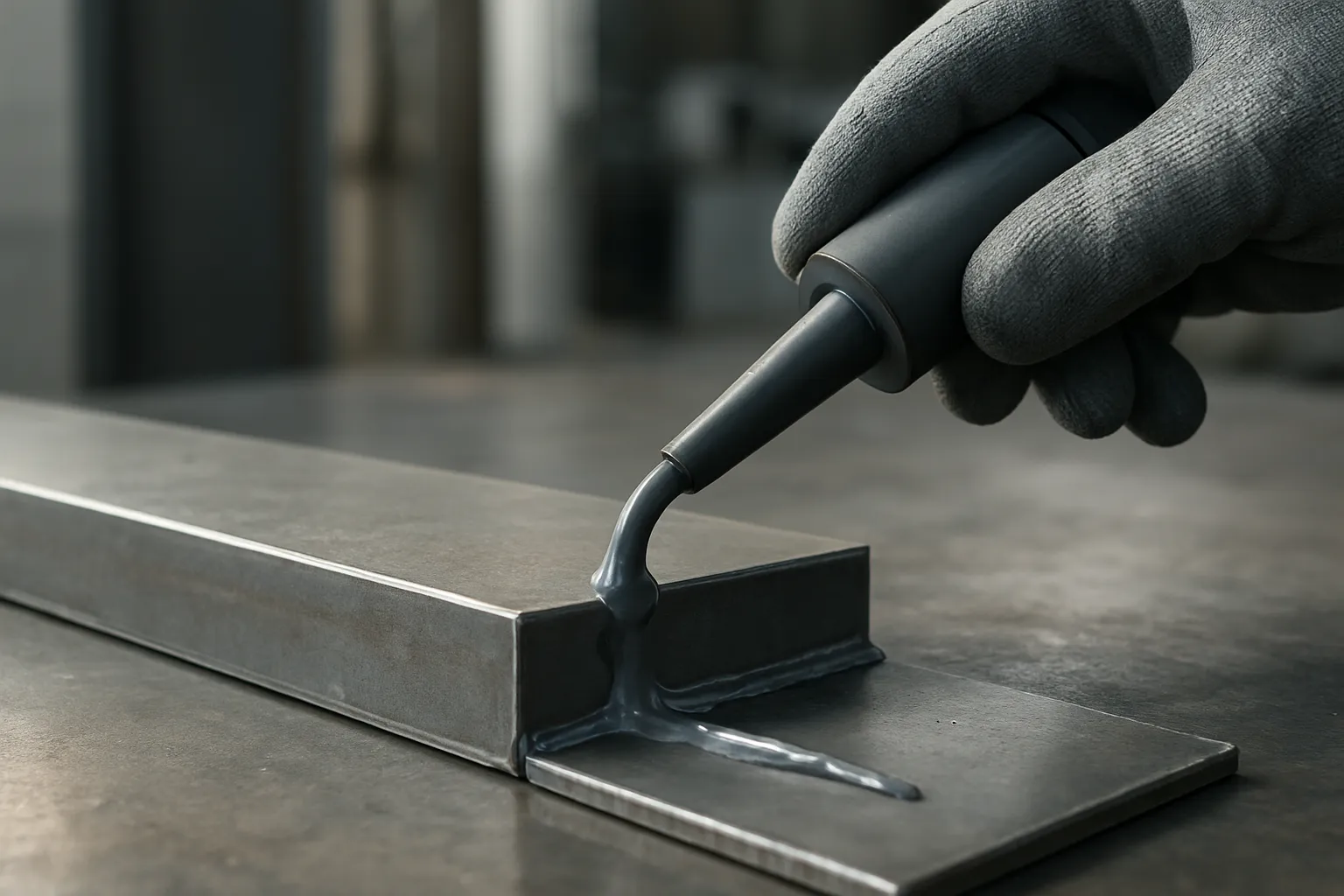
Metal adhesives are specialized bonding agents designed to create strong, durable connections between metal surfaces. These industrial adhesives are critical in various applications where traditional joining methods may fall short. Their unique properties contribute to enhanced durability, making them indispensable in sectors such as automotive, aerospace, and construction. As industries strive for more efficient and reliable manufacturing processes, understanding the role of metal adhesives becomes increasingly important.
Key Specifications of Metal Adhesives
Strength and Durability
One of the primary characteristics of metal adhesives is their exceptional strength and durability. In my experience, these adhesives are engineered to withstand significant loads and stresses, making them suitable for high-performance applications. The bond created by metal adhesives can often exceed the strength of the materials they are joining, leading to more resilient structures.
Temperature Resistance
Temperature fluctuations can significantly impact the performance of materials in industrial settings. Metal adhesives are formulated to maintain their bonding integrity across a wide temperature range. This temperature resistance is crucial in applications like automotive engines or aerospace components, where exposure to extreme heat or cold is common.
Chemical Resistance
Industrial environments often expose materials to various chemicals. Metal adhesives are designed to resist degradation from oils, solvents, and other corrosive substances, ensuring long-lasting bonds even in harsh conditions. This chemical resistance is vital for maintaining the integrity of assemblies in industries such as chemical processing and manufacturing.
Use Cases of Metal Adhesives in Industry
Automotive Industry Applications
In the automotive sector, metal adhesives are used for bonding components such as body panels, engine parts, and structural elements. Their ability to provide a lightweight alternative to welding helps manufacturers reduce vehicle weight, improving fuel efficiency without compromising safety. From what I have seen, this innovative approach is reshaping vehicle design.
Aerospace Industry Applications
The aerospace industry demands high-performance materials that can withstand extreme conditions. Metal adhesives play a critical role in assembling aircraft components, providing strong bonds that contribute to overall structural integrity. Their lightweight nature helps reduce the overall weight of aircraft, enhancing fuel efficiency and payload capacity.
Construction Industry Applications
In construction, metal adhesives are utilized for bonding metal frames, fixtures, and other structural elements. They offer advantages in terms of speed and ease of installation compared to traditional methods like welding or bolting, leading to faster project completion times and reduced labor costs.
Comparison with Traditional Joining Methods
Welding vs. Metal Adhesives
Welding is a common method for joining metals, but it often requires significant heat, which can alter the properties of the base materials. Metal adhesives, on the other hand, bond at room temperature, preserving the integrity of the metals. This method also reduces the risk of warping and distortion, making it a preferable choice in many applications.
Riveting vs. Metal Adhesives
Riveting is another traditional method for joining metals, but it can be time-consuming and may require additional finishing processes. Metal adhesives simplify this process, allowing for seamless joints that enhance aesthetics and reduce weight. Additionally, the lack of mechanical fasteners minimizes the risk of corrosion at joint interfaces.
Cost-Effectiveness Analysis
When evaluating cost-effectiveness, metal adhesives can provide significant savings over traditional methods. The reduced need for specialized equipment and labor, coupled with faster assembly times, often translates to lower overall production costs. Moreover, the durability of these adhesives can lead to decreased maintenance and replacement costs over time.
Sourcing Metal Adhesives
Criteria for Selecting Suppliers
When sourcing metal adhesives, it is crucial to choose suppliers with a proven track record in the industry. Look for suppliers who specialize in industrial adhesives and have experience with your specific application requirements. Their expertise can provide valuable insights into the best products for your needs.
Evaluating Product Quality
Quality is paramount when selecting metal adhesives. Evaluate the adhesive’s performance specifications, including strength, temperature resistance, and chemical resistance. Requesting samples for testing can also help ensure the adhesive meets your application’s demands.
Understanding Certifications and Standards
Ensure that the metal adhesives you consider comply with relevant industry standards and certifications. This compliance not only guarantees product quality but also helps mitigate risks associated with regulatory non-compliance.
Implementation Best Practices
Surface Preparation Techniques
Proper surface preparation is essential for achieving optimal bonding strength with metal adhesives. Clean the surfaces to remove contaminants such as oil, dirt, and rust. Depending on the adhesive type, roughening the surface may also enhance adhesion.
Application Methods
Different metal adhesives may require specific application methods, such as dispensing from a cartridge or using a spray system. Follow the manufacturer’s guidelines to ensure proper application and bonding.
Curing Process Considerations
Curing is a critical step in the adhesive application process. Ensure that the adhesive is allowed to cure fully according to the manufacturer’s specifications to achieve maximum strength and durability.
Frequently Asked Questions
What are the advantages of using metal adhesives?
Metal adhesives offer numerous advantages, including high strength, durability, resistance to temperature and chemicals, and the ability to bond dissimilar materials without altering their properties.
How do I choose the right metal adhesive for my application?
Selecting the right metal adhesive involves considering factors such as the materials being bonded, environmental conditions, and specific performance requirements. Consulting with adhesive suppliers can provide additional guidance.
What are common challenges in using metal adhesives?
Common challenges include ensuring proper surface preparation, managing curing times, and selecting the appropriate adhesive for specific applications. Addressing these challenges through best practices can lead to successful bonding outcomes.
Conclusion
Metal adhesives are revolutionizing the way industries approach bonding applications. Their unique properties enhance durability and provide significant advantages over traditional joining methods. By understanding their specifications, applications, and best practices for implementation, businesses can leverage metal adhesives to improve product performance and reduce costs. As industries continue to evolve, I believe the role of metal adhesives will undoubtedly expand, paving the way for more innovative and efficient manufacturing solutions.