
Choosing the Right Instant Adhesive for Industrial Applications
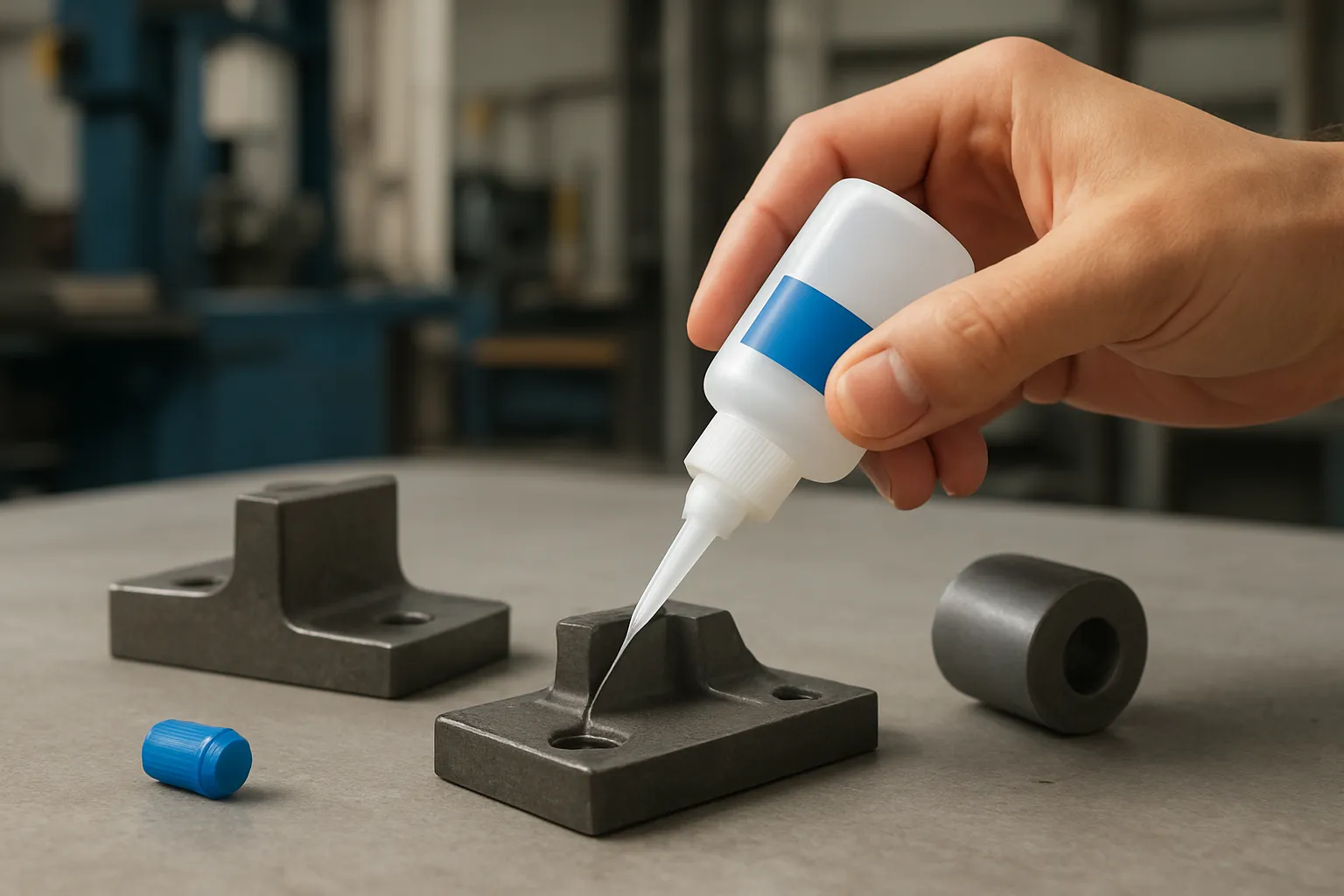
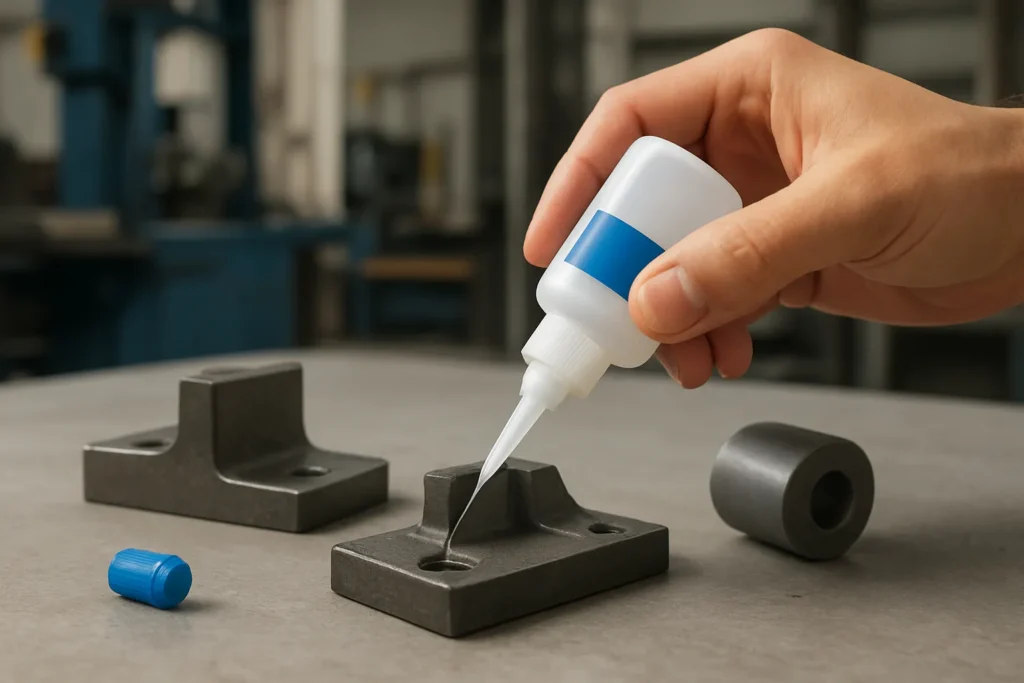
Instant adhesives, often referred to as cyanoacrylates, are a unique category of adhesives known for their ability to bond quickly and effectively with a variety of materials. Their rapid curing times and impressive bond strength make them essential in numerous industrial applications. In my experience, the role of instant adhesives in the industrial sector is paramount; they not only enhance productivity but also minimize downtime by providing efficient solutions for bonding, repairing, and assembling components across diverse industries. For a comprehensive overview of various products, visit our Products page.
Key Specifications to Consider
When selecting an instant adhesive for industrial applications, several key specifications should be evaluated to ensure optimal performance.
- Bond Strength: This is a crucial factor, as the adhesive must withstand the stresses and strains of the application. Different materials demand varying bond strengths; hence, understanding the specific requirements of your project is vital.
- Cure Time: Although instant adhesives are favored for their quick curing capabilities, the actual cure time can differ significantly based on the formulation. Selecting the right cure time is essential for maintaining efficiency in production processes.
- Temperature Resistance: The adhesive’s ability to endure temperature fluctuations is critical, especially in sectors such as automotive and electronics, where components may be exposed to extreme conditions. Evaluating the temperature resistance will help guarantee the longevity and reliability of the bond.
Use Cases for Instant Adhesives
Instant adhesives are utilized across various industries, each with distinct bonding requirements.
- Automotive Industry: In automotive manufacturing, instant adhesives bond components like trim, mirrors, and electronic parts. Their rapid curing time facilitates quick assembly, which is vital in high-volume production environments.
- Electronics Manufacturing: The electronics sector heavily relies on instant adhesives for securing delicate components, ensuring they remain intact during assembly and use. Their ability to bond swiftly without the need for clamping makes them ideal for this fast-paced industry.
- Construction Applications: In construction, instant adhesives are employed for various tasks, including the installation of fixtures and fittings. Their strength and durability make them suitable for both indoor and outdoor applications.
Comparing Different Types of Instant Adhesives
With a variety of instant adhesives available, understanding their differences can guide you to the right choice for your needs.
- Cyanoacrylate vs. Epoxy: Cyanoacrylate adhesives cure quickly and are perfect for small repairs, while epoxies provide superior strength and resistance to environmental factors but require longer curing times. The choice between the two hinges on the specific requirements of the application.
- Polyurethane vs. Silicone: Polyurethane adhesives offer excellent flexibility and are suitable for bonding materials that may experience movement. Conversely, silicone adhesives are ideal for applications requiring water resistance and temperature stability.
- Specialty Adhesives: Certain applications may necessitate specialty adhesives designed for specific materials or conditions, such as high-temperature or low-odor formulations. Identifying the right specialty adhesive can significantly elevate performance.
Sourcing Instant Adhesives
Finding a reliable supplier for instant adhesives is crucial for ensuring quality and reliability.
- Evaluating Suppliers: When sourcing instant adhesives, consider the supplier’s reputation, product range, and customer service. A dependable supplier will provide technical support and guidance on product selection.
- Understanding Certifications: Certifications like ISO and RoHS indicate that the adhesive adheres to specific quality and safety standards. Ensuring that your supplier’s products possess the necessary certifications can help prevent compliance issues.
- Cost Considerations: While cost is an important factor, it should not be the sole consideration. Evaluate the total cost of ownership, including performance, durability, and potential savings from reduced downtime.
Implementation Best Practices
To maximize the effectiveness of instant adhesives, adhere to these best practices during implementation.
- Surface Preparation: Proper surface preparation is crucial for achieving a strong bond. Clean and dry surfaces free from contaminants will enhance adhesion.
- Application Techniques: Apply the adhesive evenly and in the recommended amounts to avoid excess that can lead to weak bonds. Following the manufacturer’s instructions is key for optimal results.
- Safety Precautions: Always follow safety guidelines when handling instant adhesives, including using gloves and protective eyewear. Ensure adequate ventilation in the workspace to minimize inhalation of fumes.
Frequently Asked Questions
- How to Store Instant Adhesives?: Store instant adhesives in a cool, dry place, away from direct sunlight. Ensure that the cap is tightly sealed to prevent moisture from entering the container.
- What are the Limitations?: Instant adhesives may not be suitable for all materials, particularly those that are porous or oily. Additionally, they may not perform well in high-stress applications without proper surface preparation.
- Can Instant Adhesives be Used on All Materials?: While instant adhesives work well on many materials, they are not universally compatible. Always consult the manufacturer’s guidelines to determine the best adhesive for your specific materials.
Conclusion
Choosing the right instant adhesive for your industrial needs is a critical decision that can influence the efficiency and effectiveness of your operations. By understanding the specifications, use cases, and best practices associated with instant adhesives, you can make informed choices that enhance productivity and performance in your projects. Whether you are in the automotive, electronics, or construction industry, selecting the appropriate adhesive will ensure that your bonding solutions meet the demands of your applications. For further technical insights, refer to this technical reference from Engineering360.